


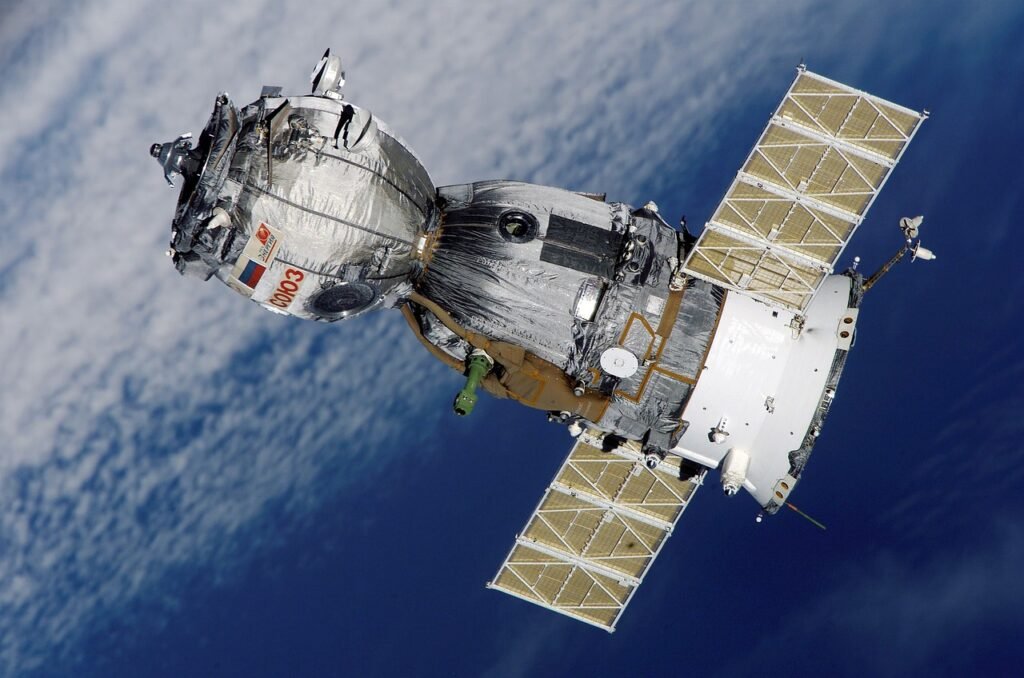
China’s space programme demonstrates global leadership through achievements in lunar missions, Mars exploration, and the operational Tiangong space station. Recent speculation about a “China space carrier” or “Star Wars space carrier” has intrigued social media and space enthusiasts worldwide.
Comprehensive research reveals no evidence of a Chinese spacecraft matching this description. The term likely stems from a misunderstanding of China’s space developments or from science fiction narratives.
China’s true space achievements reflect rapid technological progress. The China National Space Administration leads with a strategic roadmap, including crewed missions planned for 2026, highlighting the nation’s expanding capabilities through documented projects.
Distinguishing fact from fiction involves examining China’s actual space initiatives and dispelling internet myths.
Understanding the ‘Star Wars Space Carrier’
The “Star Wars space carrier” is a misconception of China’s space initiatives. No official Chinese space documentation references such a vessel, nor does formal policy outline any military spacecraft of this nature.
China’s ambitious Nantianmen project, a space-based infrastructure programme, has captured public imagination but focuses on civilian space stations and orbital facilities. According to China’s official space programme documentation, priorities include lunar missions, Mars exploration, and commercial development.
China’s achievements encompass advanced propulsion systems, crewed missions, and satellite networks, showcasing genuine technological prowess without theatrical nomenclature.
China’s Space Technologies: A Comparison
China’s space programme focuses on practical, cutting-edge technologies, rivaling global leaders, rather than science fiction-inspired spacecraft. The Chang’e lunar missions, Tianwen-1 Mars rover, and Tiangong space station exemplify this focus.
China’s achievements derive from core technologies like advanced propulsion, precision navigation, and autonomous docking. Recent propulsion system tests for manned lunar missions illustrate China’s technical sophistication.
The luanniao (phoenix) symbolism in mission naming reflects cultural heritage alongside modern objectives. China’s strategy emphasizes proven engineering principles over speculative designs.
China’s methodical approach positions it as a serious competitor in space exploration, achieving milestones once deemed impossible. The focus remains on achievable goals that enhance scientific understanding and national capabilities.
The Role of the ‘Nantianmen Project’
The Nantianmen Project is China’s most ambitious space initiative, distinct from any fictional “orbital strike carrier” concept. It involves multiple technological developments, from propulsion systems to space station capabilities.
China’s orbital launch activity documentation outlines the project’s integration of spacecraft technologies within a strategic framework. The initiative develops modular space platforms for extended missions beyond Earth’s orbit.
The project’s scope includes testing new materials and propulsion technologies, as detailed in China’s space standard system documentation. These developments suggest a focus on sophisticated space infrastructure rather than military vessels.
Nantianmen’s dual-use potential means civilian space exploration technologies could theoretically adapt for other purposes, though official documentation emphasizes scientific and commercial applications. This ambiguity fuels speculation about dramatic spacecraft concepts.
Insights from the ‘Luanniao’ and ‘Mengzhou-1’
Confusion about China’s programme often arises from mixing fiction with real spacecraft development. Two projects highlight this: the Luanniao test vehicle and the Mengzhou-1 crew capsule.
The Luanniao, for atmospheric flight testing, contrasts fictional “white emperor fighters” from science fiction. It represents China’s approach to testing reusable launch technologies. China’s standardised space development focuses on practical engineering.
The Mengzhou-1 capsule prioritizes crew transport rather than combat. These programmes show China’s dedication to reliable space infrastructure through incremental advancement.
The gap between fiction and China’s achievements shows how speculation can overshadow accomplishments. Understanding these distinctions is crucial as China prepares for next-generation spacecraft systems in 2026.
What the Research Shows About China’s Space Program
China’s space ambitions focus on practical exploration and scientific advancement rather than militarized concepts. The Chinese space programme has achieved milestones through methodical development, from satellite launches to lunar missions and space station operations.
China conducted over 55 orbital launches in 2020, demonstrating consistent technological progression. There’s no evidence of an “avic space carrier” or similar military spacecraft in records. China’s focus remains on crewed missions, lunar exploration, and Mars rovers—tangible achievements showcasing capabilities over speculative weaponry.
China’s approach reflects a commitment to peaceful space exploration, outlined in official policy documents, setting the stage for understanding the real challenges in their ambitious programme.
Challenges and Considerations in China’s Space Exploration
China’s space ambitions face significant technical and logistical hurdles beyond current capabilities. Engineering challenges of developing large spacecraft—concepts theoretically involving 120,000-ton space ships—highlight exploration complexities.
Propulsion technology remains a constraint, shown by lunar mission system tests. Current methods can’t efficiently transport large payloads beyond orbit, requiring breakthroughs in propulsion systems.
Resource allocation is another consideration. China’s space budget balances priorities like lunar missions, Mars exploration, and space station upkeep. Manufacturing ultra-large spacecraft components needs new industrial infrastructure.
International cooperation versus independent development creates strategic tensions. These realities suggest massive space carriers remain conceptual, despite China’s progress in conventional spacecraft development.
Common Misconceptions About China’s Space Capabilities
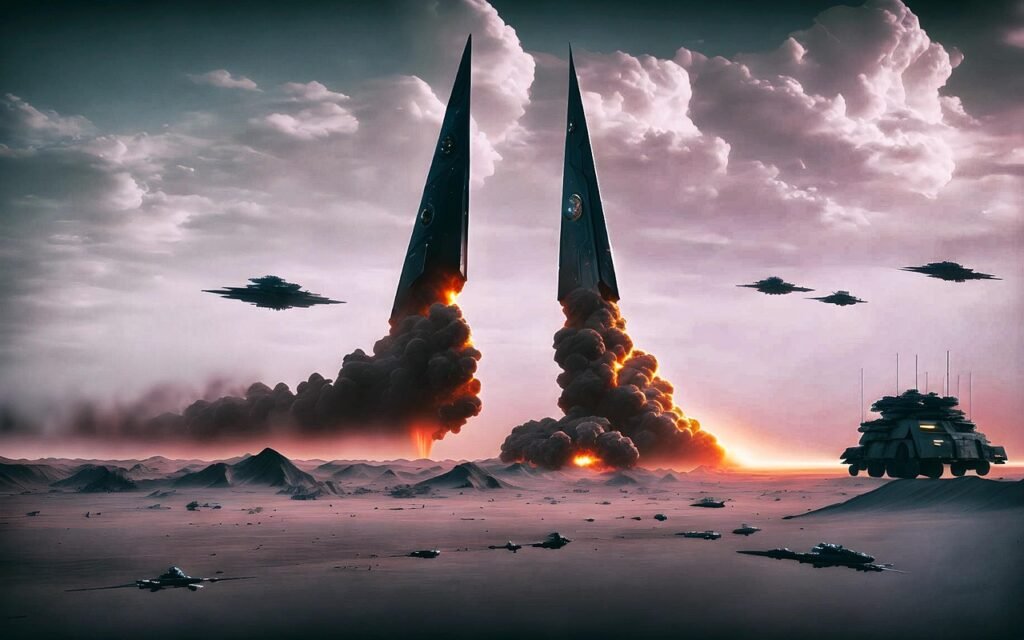
Popular culture and media create persistent myths about China’s space programme, misaligned with reality. A notable misconception involves fictional spacecraft like the “Star Wars space carrier,” unsubstantiated by official documentation.
Another misunderstanding relates to China’s launch infrastructure nomenclature. Facilities like Wenchang Space Launch Site are poetically named with traditional references, not military designations.
Media reports often overstate China’s militaristic space activities, conflating civilian research with potential weapons development. The China National Space Administration focuses on scientific exploration, Earth observation, and telecommunications over offensive capabilities.
Sensationalizing China’s achievements obscures real accomplishments and creates unrealistic expectations. Understanding misconceptions is crucial as China’s space capabilities develop through methodical, evidence-based programmes.
Key China Space Carrier Takeaways
The search for China’s “Star Wars space carrier” highlights a disconnect between imagination and documented reality. China operates no such spacecraft, but its achievements through reliable vehicles like the Long March rocket series demonstrate satellite deployment, lunar exploration, and crewed mission capabilities.
China’s programme follows pragmatic principles over cinematic spectacle. The focus is on robust infrastructure, commercial partnerships, and scientific research. Real developments include next-generation cargo spacecraft for 2026 and lunar mission preparations.
Understanding China’s space capabilities requires looking beyond sensationalized terms to examine concrete achievements in launch frequency, success rates, and milestones. The nation’s ambitions represent genuine progress in human spaceflight and exploration.
Sources and References
Exploring China’s manned spaceship capabilities and space developments draws from official documentation and aerospace industry sources. This investigation relied on publications from China’s National Space Administration, government white papers, and industry analyses to separate fact from fiction about “Star Wars” spacecraft.
Key documents include technical handbooks from regulatory bodies, orbital launch reports from aerospace research firms, and programme announcements on crew vehicles. The Chinese space program – Wikipedia provides historical context, while the China National Space Administration offers mission updates and policy frameworks.
For deeper insights, consult the Full Text: China’s Space Program: A 2021 Perspective white paper, outlining strategic objectives through 2025. For independent analysis, BryceTech’s report offers third-party assessments of launch frequency and payloads across China’s expanding sectors.