


Understanding Social SEO for Affiliate Marketers

The lines between social media marketing and search engine optimization have blurred beyond recognition. Social SEO represents the strategic fusion of social media engagement with search optimization tactics, creating a powerful dual-channel approach that affiliate marketers can no longer afford to ignore.
Traditional affiliate marketing relied heavily on direct search traffic and paid advertising, but today’s landscape demands a more nuanced approach. Social platforms now function as search engines themselves—73% of Gen Z users turn to TikTok and Instagram for product discovery rather than traditional search engines. This shift fundamentally changes how affiliate marketers must think about content distribution and audience engagement.
Social SEO leverages social signals, community building, and platform-specific algorithms to amplify your affiliate content’s reach while simultaneously boosting its search engine visibility. When executed correctly, this approach creates a compounding effect where social engagement drives search rankings, and improved search visibility increases social discovery.
The beauty of social SEO lies in its efficiency—you’re not just creating content for one channel, but strategically crafting assets that work across multiple platforms while serving your affiliate marketing goals.
Understanding this intersection becomes crucial as we examine why social SEO has become indispensable for modern affiliate marketing success.
Why Social SEO Matters in Affiliate Marketing
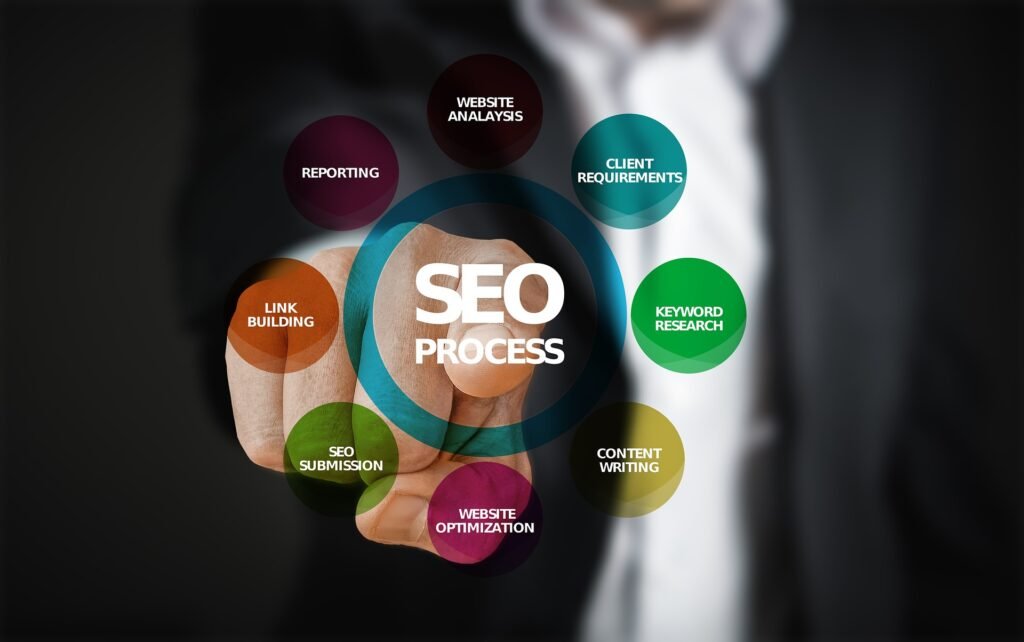
The affiliate marketing landscape has evolved dramatically, with 73% of marketers reporting that social media marketing has increased their brand awareness. For affiliate marketers, this shift represents both an opportunity and a necessity. Traditional affiliate marketing SEO strategies that relied solely on search engines now miss crucial touchpoints where audiences discover and engage with content.
Social platforms have become search engines themselves. Users increasingly turn to TikTok, Instagram, and YouTube to research products before making purchase decisions. When your affiliate content appears in both traditional search results and social feeds, you create multiple pathways to conversion. This dual presence amplifies your reach while building the trust signals that search engines value.
The compounding effect is undeniable. Social engagement metrics—shares, comments, and saves—now influence search rankings more than ever. Search engines consider social signals as indicators of content quality and relevance, making social SEO integration essential for affiliate marketing success. Content that resonates socially tends to earn more backlinks, generate longer dwell times, and attract organic mentions.
Moreover, social SEO provides valuable audience insights that inform your broader affiliate strategy. Platform analytics reveal which products generate genuine interest, what messaging resonates, and when your audience is most active. These data points become the foundation for more targeted, profitable campaigns across all channels.
Case Study: Successful Social SEO Campaigns
Real-world examples demonstrate how affiliate marketers can leverage social platforms to drive both engagement and search visibility. One compelling case involves lifestyle affiliate marketers who transformed their Pinterest strategy by creating SEO-optimized pins that targeted long-tail keywords related to home decor products.
The Pinterest Success Formula
These marketers created vertical pins with keyword-rich descriptions and branded overlays, focusing on seasonal trends like “cozy fall home decor under $50.” By optimizing pin titles and descriptions for search while maintaining visual appeal, they achieved a 340% increase in organic reach within six months. The pins consistently ranked in both Pinterest search and Google Images, creating multiple discovery pathways.
TikTok’s Search Evolution
Another breakthrough came from tech affiliate marketers who recognized TikTok’s growing role as a search engine. With 40% of Gen Z preferring TikTok for search over Google, these marketers created short-form videos answering specific product questions like “best budget gaming headset 2024.” Their videos incorporated trending hashtags while naturally weaving in affiliate links through bio optimization.
The key insight from these campaigns? Successful SEO for affiliate marketers now requires treating social platforms as search engines first, entertainment platforms second. This shift in perspective transforms how content gets created, optimized, and distributed.
These examples illuminate the strategic framework needed to build your own integrated social SEO approach.
Building a Social SEO Strategy for Affiliate Marketing
Creating an effective social SEO strategy requires a systematic approach that aligns your content with both social media algorithms and search engine requirements. The foundation starts with keyword research that identifies terms your audience actively searches for across platforms. However, successful affiliate SEO goes beyond traditional keyword targeting—it demands understanding how social signals influence search rankings.
A strategic framework begins with content planning that serves dual purposes. Each piece should provide genuine value to your social followers while incorporating search-friendly elements like relevant hashtags, optimized captions, and shareable formats. Research shows that 84% of affiliate marketers prioritize content quality over promotional frequency, recognizing that authentic engagement drives better long-term results.
The key lies in creating content clusters around your affiliate products. For instance, if promoting fitness equipment, develop interconnected content covering workout routines, equipment reviews, and nutrition tips. This approach establishes topical authority while providing multiple touchpoints for potential customers. Cross-platform promotion amplifies this effect, with content adapted for each platform’s unique characteristics while maintaining consistent messaging.
Success metrics should encompass both social engagement and search performance indicators. Track hashtag reach, profile visits, and click-through rates alongside traditional SEO metrics like organic traffic and keyword rankings. This comprehensive approach ensures your strategy addresses the interconnected nature of modern digital marketing, setting the stage for selecting the most effective platforms for your specific niche and audience.
Social Media Platforms: Choosing the Right One

Selecting the optimal social media platform for affiliate marketing optimization requires understanding where your target audience actively engages and how each platform’s algorithm prioritizes content visibility. Different platforms serve distinct demographics and content formats, making strategic platform selection crucial for maximizing both reach and conversion potential.
Instagram and TikTok excel for visual product demonstrations and lifestyle content, particularly effective for fashion, beauty, and lifestyle affiliate programs. Their algorithm favors high-engagement content, making them ideal for building authentic relationships with followers who trust product recommendations.
Pinterest functions as a visual search engine, perfect for affiliate marketers in home decor, recipes, and DIY niches. Content on Pinterest has exceptional longevity, with pins continuing to drive traffic months after publication, creating compound returns on content investment.
LinkedIn serves B2B affiliate marketers targeting professionals and decision-makers. The platform’s professional context builds credibility for software tools, business services, and educational resources, though it requires more subtle promotional approaches.
However, spreading efforts across too many platforms often dilutes effectiveness. A focused approach on 2-3 platforms where your audience concentrates typically yields better results than minimal presence across multiple channels, setting the foundation for optimized content creation strategies.
Optimizing Content for Search Engines and Social Media
Creating content that performs well on both search engines and social media requires a dual-focused approach that balances SEO fundamentals with social engagement tactics. The key lies in understanding that search engines increasingly value social signals, while social platforms reward content that drives meaningful engagement.
Start with keyword research that considers both search volume and social conversation trends. Structure your content with clear headings and meta descriptions for search visibility, while crafting compelling opening hooks and visual elements that encourage social sharing. According to SE Ranking’s SEO statistics, content that performs well socially often sees improved search rankings due to increased user engagement signals.



Cross-platform optimization means adapting your core message for different formats—long-form blog posts for search, bite-sized snippets for Twitter, or visual storytelling for Instagram. This approach helps organic traffic affiliates capture audiences across multiple touchpoints in their buyer’s journey.
However, this dual optimization strategy comes with its own set of challenges and limitations that affiliate marketers must carefully navigate to achieve sustainable results.
Limitations and Considerations
While social SEO offers substantial opportunities for affiliate marketers, several limitations must be acknowledged. Platform algorithm changes can dramatically impact content visibility overnight, potentially affecting carefully crafted strategies. According to recent affiliate marketing data, only 14% of affiliate marketers consistently achieve high conversion rates, highlighting the challenges inherent in the space.
Keyword research becomes more complex when balancing social media trends with search engine requirements. Social platforms often prioritize trending topics and real-time engagement over traditional SEO metrics, creating tension between long-term keyword strategies and immediate social relevance. Additionally, most social platforms restrict direct affiliate links, requiring creative workarounds that may dilute conversion tracking accuracy.
Resource allocation presents another consideration. Maintaining active presences across multiple platforms while optimizing for search engines demands significant time investment. The rapidly evolving digital landscape means strategies that work today may become obsolete within months, requiring constant adaptation and learning.
Understanding these constraints helps affiliate marketers set realistic expectations and develop more resilient strategies that can weather platform changes and market fluctuations.
Example Scenarios: Applying Social SEO Tactics
Example scenario: Tech Product Reviews A tech affiliate promoting gaming laptops creates in-depth YouTube reviews while optimizing their accompanying blog posts with comprehensive on-page optimization. They target keywords like “best gaming laptop 2024” in their video titles and descriptions, while their blog content includes detailed specifications tables, comparison charts, and affiliate links. Cross-promotion occurs through Instagram Stories featuring quick product highlights that drive traffic back to the full reviews.
Example scenario: Fashion and Lifestyle Content A fashion affiliate leverages Pinterest’s visual search capabilities by creating style boards with optimized pin descriptions containing seasonal keywords. Each pin links to blog posts featuring outfit inspiration with strategically placed affiliate links. The content strategy extends to TikTok with quick styling videos that reference detailed guides on their website, creating a seamless funnel from discovery to conversion.
Example scenario: Financial Services Promotion An affiliate promoting financial tools uses LinkedIn to share market insights and personal finance tips, establishing expertise while subtly incorporating affiliate recommendations. Their content calendar aligns with trending financial topics, using LinkedIn’s native analytics to identify peak engagement times. According to recent marketing data, LinkedIn generates the highest visitor-to-lead conversion rate among social platforms at 2.74%, making it particularly valuable for financial affiliate content.
These scenarios demonstrate how successful social SEO integration requires platform-specific optimization while maintaining consistent messaging across all touchpoints.
Key Takeaways
Social SEO represents a fundamental shift in how affiliate marketers approach audience engagement and revenue generation. The convergence of social media and search optimization creates unprecedented opportunities for affiliates willing to adapt their strategies.
Content quality remains the cornerstone of success. Whether creating YouTube reviews, Instagram tutorials, or LinkedIn thought leadership pieces, valuable content that genuinely serves user intent will consistently outperform promotional material. This approach builds the trust necessary for sustainable affiliate relationships.
Platform diversification mitigates risk while maximizing reach. Successful affiliate marketers understand that relying on a single platform creates vulnerability. However, spreading efforts too thin dilutes impact. The key lies in selecting 2-3 platforms that align with your niche and audience preferences.
Link building through social channels offers both direct and indirect benefits. While most social media links are nofollow, the traffic, brand awareness, and potential for earned media coverage create valuable SEO signals that search engines increasingly recognize.
The data shows that affiliate marketers who integrate social SEO strategies see higher engagement rates and more sustainable traffic growth compared to those relying solely on traditional search optimization.
Moving forward, the most critical factor for affiliate success will be understanding how to seamlessly blend social engagement with traditional SEO fundamentals.
How to do SEO for affiliate marketing?
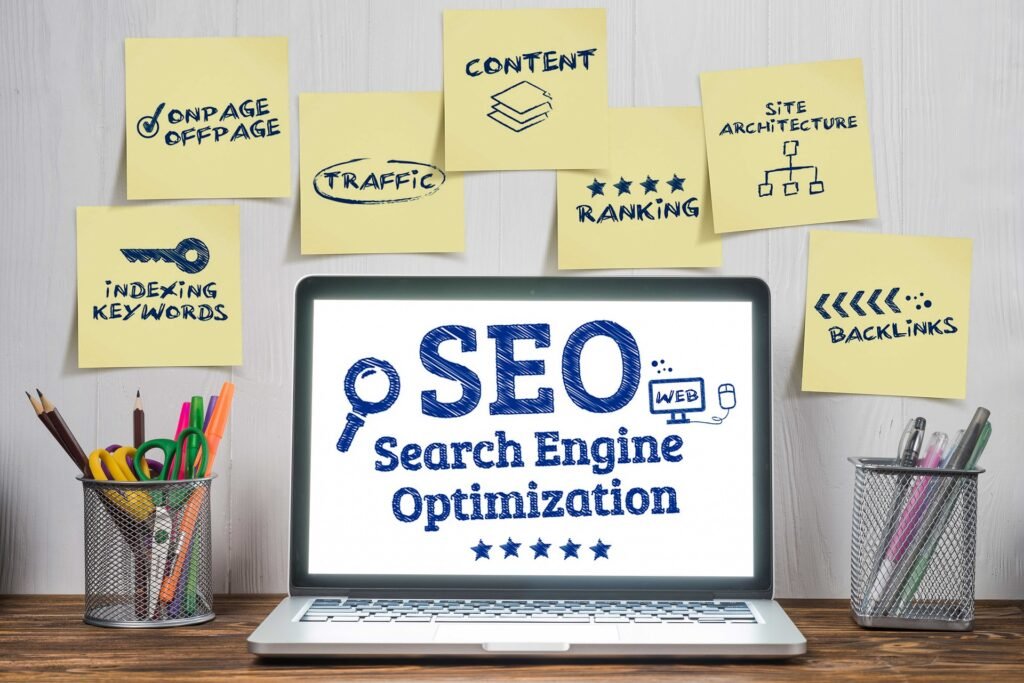
Keyword Research and Content Strategy Start with comprehensive keyword research targeting commercial intent phrases like “best [product] for [use case]” and “product vs product” comparisons. Focus on long-tail keywords with lower competition but clear buying intent. Create content clusters around your main affiliate products, ensuring each piece addresses specific user questions and pain points.
Technical SEO Fundamentals Optimize page loading speed, mobile responsiveness, and site structure. Use schema markup for product reviews and ratings to enhance search visibility. Implement proper internal linking strategies that guide users through your affiliate funnel while distributing page authority effectively throughout your site.
Content Optimization Best Practices Craft compelling titles and meta descriptions that highlight product benefits and comparisons. Include genuine product experiences, detailed specifications, and honest pros-and-cons analyses. Many seo affiliate programs reward partners who create comprehensive, search-optimized content that converts visitors into buyers.
Link Building and Authority Develop relationships with industry publications and complementary websites for guest posting opportunities. Create link-worthy resources like ultimate buying guides or industry reports. Focus on earning backlinks from authoritative sites in your niche, as search ranking factors continue to emphasize domain authority in competitive affiliate markets.
Understanding these fundamentals sets the foundation for sustainable affiliate income growth through organic search traffic.


Can you make $10,000 a month with affiliate marketing?
Yes, earning $10,000 monthly through affiliate marketing is absolutely achievable, though it requires strategic planning, consistent effort, and effective social SEO implementation. According to affiliate marketing industry data, top-performing affiliate marketers can earn substantial monthly commissions, with many reaching five-figure income levels.
The realistic path to $10K monthly typically involves:
- High-converting niches: Focus on industries with premium products and substantial commission structures, such as financial services, software, or luxury goods
- Diversified traffic sources: Combine organic search traffic with social media engagement to maximize reach and conversions
- Scalable content systems: Develop evergreen content that continues generating affiliate revenue long after publication
However, reaching this income level isn’t instantaneous. Most successful affiliates build their earnings gradually over 12-24 months, starting with hundreds, then thousands in monthly commissions. The key lies in compound growth – as your content library expands and social authority increases, revenue potential multiplies significantly.
Social SEO accelerates this timeline by creating multiple touchpoints with your audience across platforms, increasing trust and conversion rates compared to traditional affiliate approaches.
Understanding which strategies deliver the highest return on investment becomes crucial for reaching ambitious income goals efficiently.
What is the 80/20 rule for SEO?
The 80/20 rule (Pareto Principle) in SEO suggests that 80% of your organic traffic and rankings come from just 20% of your optimization efforts. For affiliate marketers, this principle is particularly powerful because it helps identify the highest-impact activities that drive the most revenue.
In practice, this typically means 20% of your content generates 80% of your organic traffic, and 20% of your keywords drive 80% of your conversions. The most impactful 20% usually includes:
- High-intent commercial keywords with strong buyer signals
- Product comparison and review pages that directly support affiliate offers
- Long-tail keywords with lower competition but higher conversion rates
- Technical SEO fundamentals like site speed, mobile optimization, and proper schema markup
What typically happens is that affiliate marketers spread their efforts too thin across hundreds of keywords instead of dominating the few that truly matter. A common pattern is focusing intensively on 10-15 high-value keywords rather than chasing 100+ mediocre ones.
However, identifying your personal 20% requires consistent data analysis. Track which pages generate the most affiliate commissions, not just traffic, since revenue-driving content may receive less overall traffic but convert significantly better.
This strategic focus becomes even more critical when transitioning to social media promotion, where platform-specific optimization rules apply.
Which social media is best for affiliate marketing?

The effectiveness of different social media platforms for affiliate marketing varies significantly based on your niche and audience demographics. Instagram leads the pack for affiliate marketers, with its visual-first format driving exceptional engagement rates for product recommendations and lifestyle content.
YouTube dominates long-form content affiliate marketing, where detailed product reviews and tutorials naturally incorporate affiliate links. The platform’s search functionality means your content continues generating affiliate commissions long after publication, creating passive income streams.
TikTok has emerged as a powerhouse for younger demographics, with short-form video content driving viral product discoveries. However, the platform’s algorithm-dependent reach means success can be unpredictable compared to more established channels.
Facebook remains valuable for community building and targeting specific demographics through groups and detailed advertising options. The platform’s mature user base often has higher purchasing power, making it ideal for higher-ticket affiliate products.
LinkedIn excels for B2B affiliate marketing, particularly for software, professional tools, and educational products. The platform’s professional context builds trust more naturally than entertainment-focused social networks.
The key isn’t choosing one platform but understanding where your target audience spends time and tailoring your approach accordingly. What works on Instagram may fail on LinkedIn, making platform-specific strategies essential for maximizing your affiliate marketing ROI.
Is SEO for Affiliate Marketing dead?
Despite concerns about algorithm changes and increased competition, SEO for affiliate marketing is far from dead – it’s simply evolving. The fundamentals remain strong, with organic search continuing to drive significant traffic for affiliate marketers who adapt their strategies.
The key shift is toward quality over quantity. Search engines now prioritize helpful, user-focused content over keyword-stuffed product reviews. This means affiliate marketers must invest more time in creating comprehensive resources that genuinely solve problems rather than quick promotional posts.
Algorithm updates have raised the bar, but they’ve also created opportunities for serious affiliate marketers. Sites that focus on building topical authority, demonstrating real expertise, and providing authentic value are seeing stronger performance than ever before.
The integration of AI and voice search is reshaping how people discover affiliate content, requiring marketers to optimize for conversational queries and featured snippets. However, these changes represent evolution, not extinction.
Rather than SEO being dead, what’s happening is a natural selection process where low-effort affiliate sites struggle while high-quality, user-focused sites thrive. This sets the stage for understanding whether SEO remains the optimal traffic strategy for modern affiliate marketing success.
Is SEO the best traffic source for affiliate marketing? Here’s the verdict
While SEO remains a cornerstone of successful affiliate marketing, declaring it the single “best” traffic source oversimplifies the modern digital landscape. The most successful affiliate marketers understand that SEO works best as part of an integrated strategy that includes social media amplification.
The data reveals a balanced approach wins: Organic search drives 53% of website traffic, making SEO incredibly valuable for long-term, sustainable growth. However, the rapid engagement capabilities of social platforms create powerful synergies when combined with strong SEO foundations.
The verdict? SEO provides the foundation, but social media provides the acceleration. Rather than choosing one over the other, successful affiliate marketers leverage SEO for evergreen content discovery while using social platforms to amplify reach, build community, and drive immediate engagement.
Your winning strategy should treat SEO and social media as complementary forces—SEO captures intent-driven searches while social media creates demand and builds relationships. This integrated approach doesn’t just diversify your traffic sources; it creates multiple touchpoints that guide prospects through your affiliate funnel more effectively than any single channel could achieve alone.